

About Matt
I help teens and adults move from self-doubt and avoidance into confidence, connection, and real psychological flexibility.
Therapy with me is practical, encouraging, and grounded; no pressure, no judgment, no lectures.
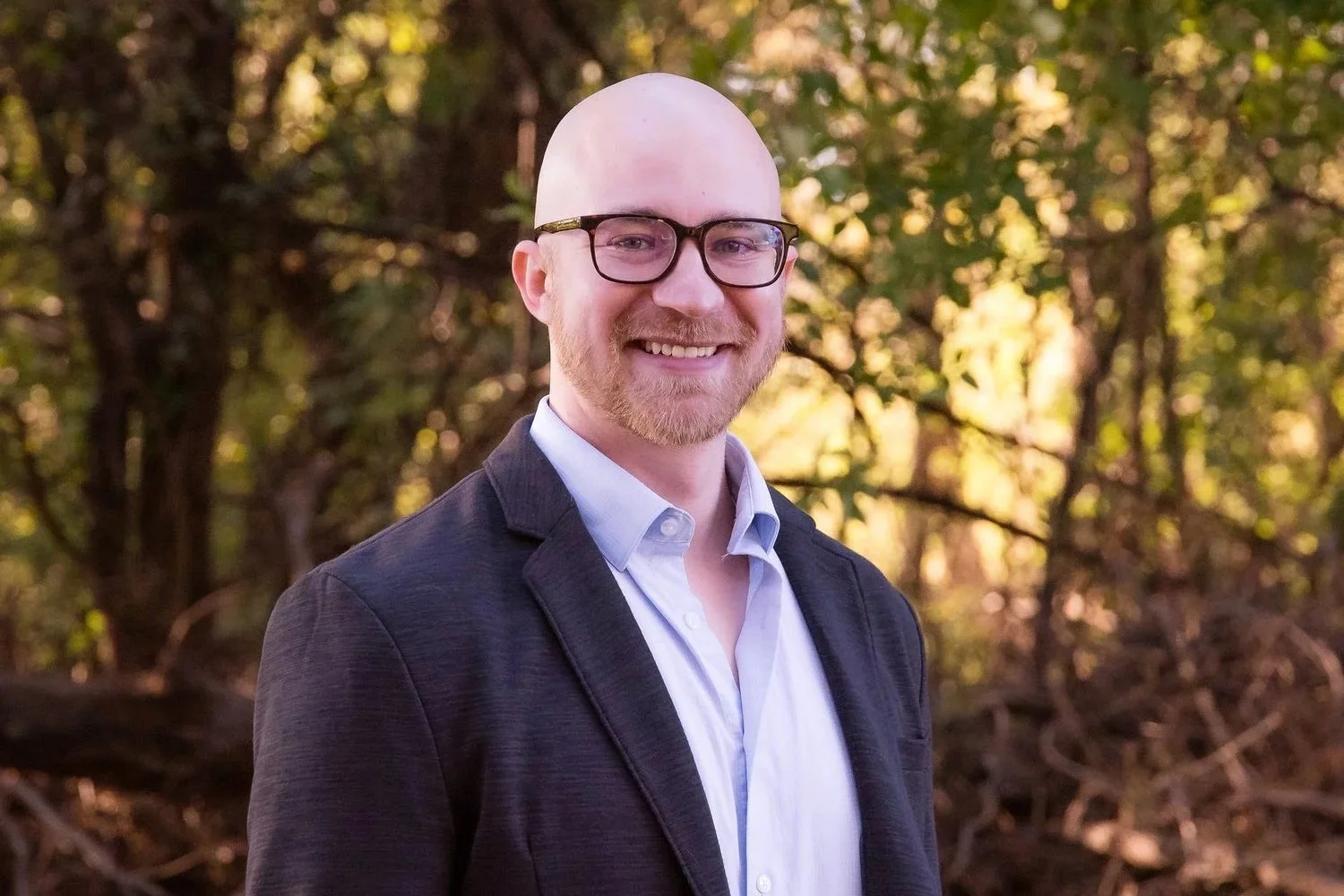
Why I Specialize in Social Anxiety
I specialize in social anxiety because I’ve lived it. I know what it’s like to avoid therapy for years, to try the traditional approaches, then to make progress, and still walk away with a quiet, lingering shame that no one ever named. That personal experience pushed me to ask harder questions: Why did it take me so long to get help? What actually worked when I finally did go? And why were some pieces still missing afterward?
Those questions eventually became the foundation of my doctoral research, exploring whether my experience was common, and more importantly, how we can help people get relief earlier, more effectively, and with a new relationship with shame.
I’m a Licensed Professional Counselor Supervisor (LPC-S) and Licensed Chemical Dependency Counselor (LCDC) in Texas. My doctoral work focused entirely on social anxiety: why people wait so long to get help, what creates meaningful change once they do, and how earlier education could reduce years of unnecessary suffering.
My dissertation explored three research questions, each revealing its own themes:
1. Why do people with social anxiety delay seeking therapy?
Three major themes emerged:
Intolerance of uncertainty: therapy feels unpredictable, and uncertainty itself feels threatening.
Fusion: people over-identify with shame (“I am the problem,” “I can’t change”).
High stress reactivity: their nervous system responds so strongly to perceived rejection, humiliation, or evaluation that even scheduling an appointment feels unsafe.
These patterns keep people stuck not because they’re unwilling, it’s because the internal experience is overwhelming.
2. Why does ACT actually help people with social anxiety?
Three themes explained ACT’s effectiveness:
Willingness: learning to open up to discomfort instead of avoiding it.
Contextual learning: understanding thoughts and emotions as experiences, not threats.
Flexible exposure methods: exposures that are adaptive, compassionate, and grounded in personal values, not rigid or punitive.
ACT helps people move toward the relationships and goals they care about, even while fear is present.
3. How can early education support people long before therapy?
Three developmental skills stood out:
Covert to overt awareness: recognizing anxiety and shame patterns clearly and early.
Mindfulness-based stress management: reducing emotional overwhelm and improving nervous-system regulation.
Psychological flexibility: choosing meaningful action even in the presence of fear.
These early skills don’t “cure” social anxiety, yet they can dramatically reduce long-term suffering and make it easier for people to seek help when they need it.
Across crisis work, community mental health, hospital settings, and private practice, one truth has stayed consistent: people heal when they feel seen, supported, and not judged.
Today, my work blends ACT, Flexible Exposure Method™, mindfulness, compassion-focused approaches, and a deeply human understanding of how shame shapes behavior.
My Story
I didn’t start my career in private practice. I began as a caseworker supporting people through crisis and trauma, then worked at an Advocacy Center helping victims of violent crime rebuild safety and trust. Later, I served adolescents in a hospital setting where I learned how to help people navigate intense emotions and difficult family dynamics.
I became a therapist because a mentor once challenged me to lead with compassion and to "be the change you wish you had." That moment shifted my life. Helping people find self-worth, confidence, and connection is the work I feel called to do.
“Between stimulus and response there is a space. In that space is our power to choose our response. In our response lies our growth and our freedom.”
— Viktor E. Frankl, MD founder of Logotherapy